
TSRgrow Expands GROWHub Platform to Link Cultivation Data With Compliance
Authored by cannabiscanadabuzz.com, 21 Aug 2026
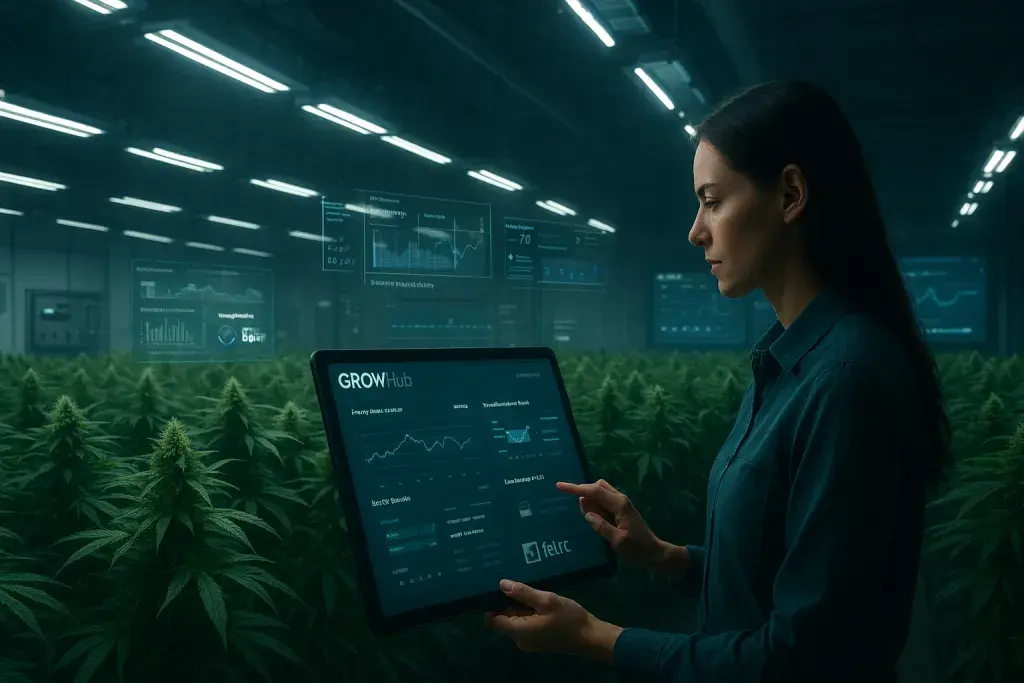
TSRgrow has rolled out a major expansion of GROWHub, its cultivation software platform, adding energy monitoring, expanded batch-record tools, Metrc integration and building-management-system connectivity ahead of 2026. The update pushes GROWHub beyond lighting control and into something closer to an operations hub - one meant to give commercial growers a single place to track crop performance, energy draw and regulatory recordkeeping instead of juggling separate systems.
That fragmentation problem is not unique to cultivation. Dispensary operators have wrestled with the same disconnect between point-of-sale data, inventory logs and compliance reporting for years, which is part of why retail-side tools like dispensary crm software arizona have gained traction as operators try to consolidate customer records, sales history and regulatory documentation under one roof. Cultivators face a parallel version of that challenge upstream - lighting schedules, environmental data, energy use and batch documentation have historically lived in disconnected spreadsheets and standalone control panels, making it harder to reconstruct exactly what happened during a given crop cycle. dispensary crm software arizona
Why connected data matters more as scrutiny increases
Track-and-trace systems like Metrc were built to follow product from seed to sale, but the underlying cultivation conditions that shaped that product often go undocumented in any structured way. GROWHub's expanded batch-record functionality addresses that gap by organizing lighting settings, environmental conditions and operational data around individual batches, then linking that record to Metrc for compliance reporting. In practice, that means an operator facing an audit or inspection has more than a track-and-trace number - there's an underlying operational history to point to.
That distinction matters more as the industry braces for potential federal rescheduling and the heavier compliance scrutiny that would likely follow. State regulators already require detailed recordkeeping for cultivation batches; a system that captures this data automatically, rather than relying on manual entry, reduces the kind of clerical error that turns into compliance findings later.
Energy monitoring adds a cost-management layer
Lighting is one of the largest recurring operating expenses in indoor cultivation, and GROWHub's integration with TSRgrow's Remote Power infrastructure lets growers view energy consumption alongside cultivation and environmental data rather than as a separate utility line item. Pairing energy use with crop-cycle data gives operators a way to evaluate whether a given lighting recipe or production schedule is actually cost-effective, not just whether it produced acceptable yield. Expanded BMS connectivity extends that visibility to broader facility systems, which reduces the number of disconnected dashboards a cultivation team has to check daily.
What this signals for multi-site operators
For multi-state operators managing several cultivation sites, the appeal is standardization: customized lighting recipes by room, zone or cultivar, applied consistently and documented the same way across facilities. That consistency supports both quality control and the kind of repeatable compliance recordkeeping regulators increasingly expect. Whether GROWHub's expanded feature set delivers on that promise will depend on how cleanly it integrates with the compliance and facility systems operators already run - software promises are one thing, day-to-day implementation is another.