
Pennsylvania Hemp Retailers Brace for Federal Crackdown on THC Drinks
Authored by cannabiscanadabuzz.com, 23 Aug 2026
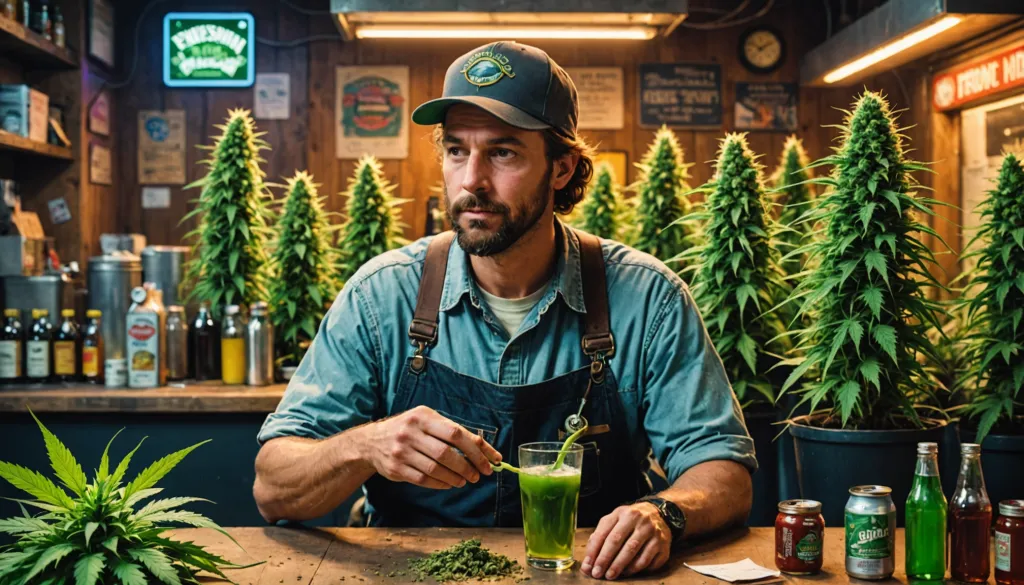
A federal deadline looming in December has Pennsylvania hemp operators recalculating their business plans, as lawmakers in Washington weigh tighter restrictions or an outright ban on hemp-derived products containing Delta 9 THC. In Lancaster County, that pressure is landing squarely on small operators like Jake Sitler, who runs Endo and serves as president of the Pennsylvania Hemp and Cannabis Guild, and who now finds himself lobbying for a middle path between prohibition and the status quo.
The stakes are not abstract. Hemp generates an estimated billion dollars a year in Pennsylvania, a supply chain that touches farmers, processors, retailers, and the software and compliance vendors that keep those operations auditable. That's a meaningful chunk of agricultural and retail activity riding on how Congress defines "hemp" versus "marijuana" under the next farm bill cycle. Operators straddling both hemp and adult-use cannabis markets already know how quickly compliance infrastructure has to adapt when regulatory categories shift - multi-state operators expanding into markets like Maryland, for instance, have leaned on platforms such as cannabis software for dispensaries maryland to keep seed-to-sale tracking and point-of-sale systems aligned with fast-moving rule changes, a lesson hemp retailers may soon need to learn quickly themselves.
The Loophole Lawmakers Want Closed
The 2018 farm bill legalized hemp cultivation and hemp-derived products nationally, but it also created what regulators now call a loophole: intoxicating cannabinoids like Delta 9 THC, when derived from hemp rather than marijuana, slipped into a lightly regulated retail lane. Beverages, gummies, and topicals sold under that framework didn't always face the same lab testing, potency labeling, or age-verification requirements that licensed medical and adult-use cannabis dispensaries must meet. Pennsylvania Attorney General Dave Sunday has flagged that gap directly, arguing the absence of consistent oversight - not hemp itself - is the real problem.
In practice, though, closing that loophole is not a simple fix. Congress recently moved to narrow it at the federal level, and Pennsylvania lawmakers are weighing their own restrictions, with some describing the current market as something close to unregulated territory where children can access intoxicating products too easily. Sitler doesn't dispute that concern. He posts 21-and-over signage in his stores and says he supports regulation, but he draws a hard line between responsible operators and the bad actors he says have given the industry a black eye.
What a Ban Would Mean for Farmers and Retailers
A full ban wouldn't just close storefronts. It would ripple back through the supply chain to the farmers growing hemp under contract, the processors extracting cannabinoids, and the wholesalers moving finished SKUs into retail. Sitler's argument to lawmakers is essentially an economic one: agricultural production and small business owners shouldn't absorb the cost of policing bad actors who never followed testing or labeling standards in the first place.
- Compliant packaging and clear potency labeling reduce the risk of accidental ingestion, particularly by minors.
- Lab testing and certificates of analysis (COAs) verify that THC content matches what's on the label.
- Age-verification policies at point of sale mirror practices already standard in licensed dispensaries.
- Consistent regulation, rather than an outright ban, would preserve farm income while addressing consumer-safety gaps.
What's striking here is how closely this debate echoes the early years of state-legal cannabis, when regulators scrambled to build testing, tracking, and packaging rules around a market that had already outpaced them. Hemp's version of that reckoning is now playing out with a December deadline attached, and operators like Sitler are betting that a workable compliance framework - not a ban - is still possible before then.