
Bowling Green Police and Red Cross Unite for Vital Community Blood Drive
Authored by cannabiscanadabuzz.com, 21 Mar 2026
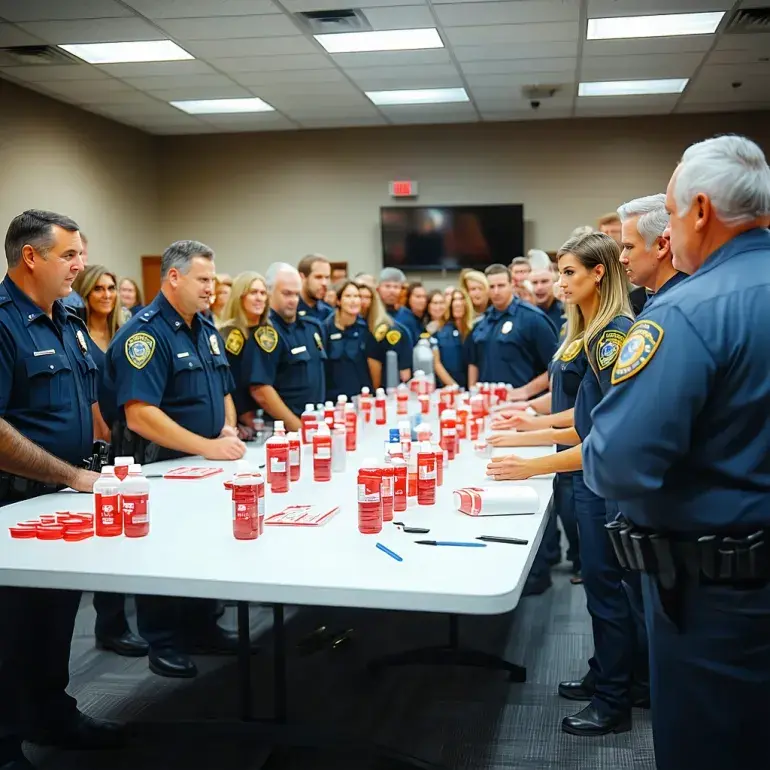
In Bowling Green, Kentucky, the American Red Cross and Bowling Green Police Department are collaborating on a blood drive this Monday from 10 a.m. to 2 p.m. at the police department's meeting room on 911 Kentucky Street. This event tackles persistent blood shortages while fostering community trust in public health efforts.
Essential Event Logistics
Participation is straightforward, with walk-ins welcome alongside encouraged appointments via redcross.org. Donors should bring ID, eat well beforehand, and hydrate to ensure a smooth process.
- Time: 10 a.m. to 2 p.m., ideal for workday breaks
- Location: Bowling Green Police Department, 911 Kentucky Street—convenient downtown access
- Eligibility: Ages 17+, weight 110 lbs+, no recent tattoos or travel restrictions
- Process: Takes about an hour, yielding up to three life-saving transfusions per pint
Addressing America's Blood Supply Crisis
Blood drives like this one in Bowling Green respond to a national emergency, where the Red Cross reports supplies often dip below 50% capacity during winter months. Annually, the U.S. requires about 13 million units, yet only 37% of eligible donors contribute, per CDC data. Causes include seasonal illnesses, aging donor pools, and post-pandemic hesitancy. In Kentucky, rural areas face exacerbated shortages due to lower population density and hospital demands from accidents and chronic conditions.
Police Partnership Strengthens Public Health Ties
Teaming with law enforcement humanizes first responders and builds goodwill, aligning with trends in community policing. Such collaborations mirror national initiatives where police host health events to enhance safety perceptions—studies show they boost civic engagement by 20-30%. For public health experts, this model promotes emergency preparedness, as stable blood reserves are crucial for trauma response in areas like Bowling Green, where traffic incidents claim lives yearly.
Broader Implications for Community Resilience
Beyond immediate needs, events like this Bowling Green blood drive signal a shift toward integrated health-safety ecosystems. With O-type blood perpetually scarce—comprising 45% of donations but 50%+ of demand—they encourage habitual giving amid rising chronic diseases. Sustained participation could cut transfusion delays, saving thousands regionally, and inspire similar drives, fortifying societal health amid uncertainties like disasters or surges in elective surgeries.