
Fine Fettle Converts Connecticut Dispensaries to Hybrid Model Boosting Patient Access
Authored by cannabiscanadabuzz.com, 28 Mar 2026
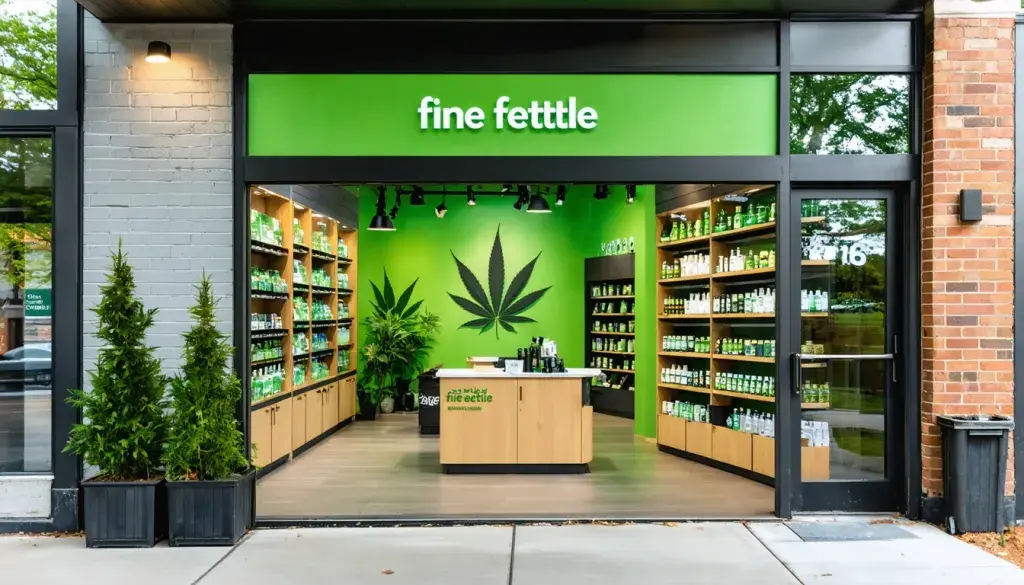
In Hartford, Connecticut, Fine Fettle's nine cannabis dispensaries transition to hybrid operations on Thursday, serving both medical patients and adult-use customers under a new state law. This shift expands access to regulated cannabis, fortifying the state's medical marijuana program while streamlining retail efficiency.
Key Developments in the Conversion
Fine Fettle, a multi-state operator with locations in Massachusetts and Georgia, has fully adapted its Connecticut sites to hybrid status. Company leaders highlight the change as a direct response to recent legislation enabling recreational retailers to serve Connecticut Medical Marijuana Program patients.
- Locations include Manchester, Norwalk, Old Saybrook, Waterbury, West Hartford, and others across the state.
- COO Benjamin Zachs emphasizes "efficiency and equity," noting patients no longer face travel barriers or limited options.
- All facilities prioritize quality care, expertise, and personal service for both groups.
Background on Connecticut's Evolving Cannabis Landscape
Connecticut legalized recreational cannabis in 2021, but medical access lagged in some areas due to separate infrastructure. The new law bridges this gap, allowing hybrid dispensaries to integrate services. This mirrors national trends where states like Massachusetts and New Jersey have unified markets, reducing fragmentation. Prior to this, medical patients often navigated fewer outlets, exacerbating inequities in rural or underserved regions.
Implications for Health Equity and Market Growth
This model strengthens Connecticut's medical program by increasing options for conditions like chronic pain, epilepsy, and PTSD, where cannabis offers evidence-based relief with fewer opioids. Public health experts note hybrid systems cut black-market reliance, ensuring product safety and tax revenue—Connecticut collected over $200 million in cannabis taxes last year. For patients, it's a win: shorter waits, specialized consultations, and consistent supply. Looking ahead, expect more operators to follow, potentially easing shortages and normalizing cannabis as a wellness tool amid growing acceptance nationwide.