
Green Bay Blood Drive Calls Residents to Action Against Urgent Shortage
Authored by cannabiscanadabuzz.com, 19 Mar 2026
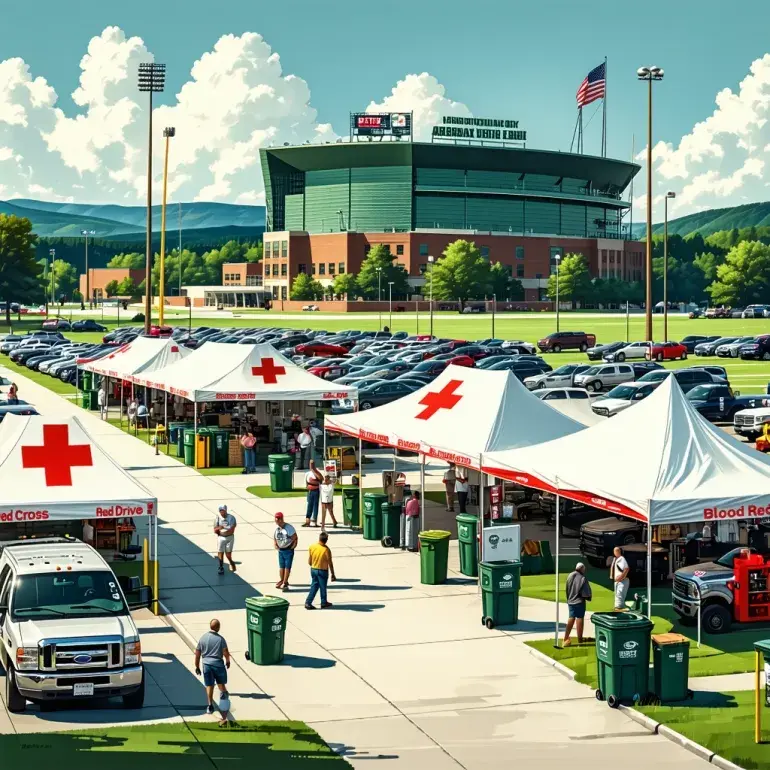
On Wednesday, the American Red Cross hosts a full-day community blood drive in Green Bay, Wisconsin, from 7 a.m. to 7 p.m. at Johnsonville Tailgate Village in the Lambeau Field parking lot. This event addresses a critical national blood shortage, where donations can directly save lives amid hospital demands.
Essential Event Details
The drive welcomes all blood types due to widespread hospital needs, with Type O donors especially vital as universal providers. Appointments streamline the process but walk-ins ensure broad participation.
- Location: Johnsonville Tailgate Village, Lambeau Field parking lot
- Hours: 7 a.m. to 7 p.m., Wednesday
- Schedule: Visit redcrossblood.org, call 1-800-RED-CROSS, or use the Blood Donor app
Understanding the Blood Supply Crisis
Blood shortages peak during summer months due to travel, vacations, and seasonal accidents, reducing donor turnout by up to 20 percent nationally. Hospitals require about 13,000 units daily in the U.S., yet supplies often dip below safe levels, delaying surgeries and trauma care. In Wisconsin, recent data shows a 15 percent decline in donations, exacerbating risks for patients with chronic conditions like cancer and anemia.
Health Impacts and Community Role
One donation yields components saving up to three lives, from platelets for chemotherapy to plasma for burn victims. Regular drives like Green Bay's bolster local reserves, preventing transfusion backlogs that strain emergency services. Public health experts note that community involvement counters aging donor pools, where only 3 percent of eligible Americans donate yearly, underscoring the need for sustained participation to safeguard regional healthcare resilience.
Steps Forward for Lasting Supply
Beyond this event, incentives like Red Cross rewards programs encourage repeat donations every 56 days. Integrating drives into community calendars fosters cultural shifts toward viewing blood donation as routine civic health duty, potentially stabilizing supplies and reducing future crises amid growing demands from an expanding population.