
Rhode Island Reopens Cannabis Retail Licensing After Residency Ruling
Authored by cannabiscanadabuzz.com, 10 Aug 2026
Rhode Island's cannabis retail licensing process is back in motion after a federal court fight over residency requirements forced regulators to scrap every pending application and social equity certification back in April. The Cannabis Control Commission is now running a compressed, do-over version of the process it originally launched in 2024, with new deadlines and a legislative fix meant to close the constitutional gap that sank the first attempt.
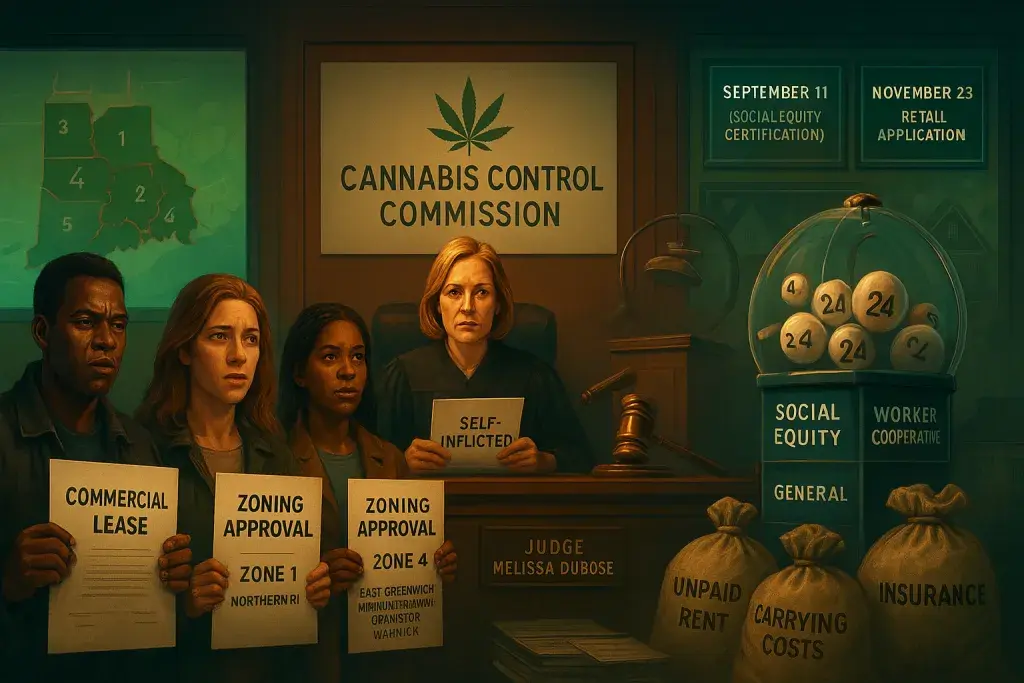
The trouble traces back to a familiar problem in cannabis licensing nationwide: residency preferences that courts keep striking down as unconstitutional. Rhode Island's original law required at least one applicant in a licensing group to live in-state, a provision federal judges in other jurisdictions had already rejected before Rhode Island's own commission moved forward anyway. Judge Melissa DuBose didn't mince words about the outcome, calling the resulting fallout "self-inflicted." For operators who had spent months, sometimes years, lining up real estate, zoning approvals, and capital, the ruling meant starting over. That kind of regulatory whiplash is exactly the sort of operational risk that back-office systems, from compliance logging to a point-of-sale for Maine dispensaries and similar New England markets, are built to help retailers manage when license timelines shift without warning. point-of-sale for Maine dispensaries
New Deadlines, Same Lottery Structure
Social equity certifications are due September 11, and the retail application window closes November 23. The General Assembly gave the commission 60 days to reopen both processes once it amended the law, stripping out the residency mandate along with several implicit residency proxies that had been baked into the social equity criteria. Once applications close, the state will again use a lottery to award licenses to qualified applicants, meaning groups still need real estate under control and zoning approval lined up before the drawing happens, not after.
The math hasn't changed much on paper: 24 licenses across six zones, split between social equity, worker cooperative, and general retail categories. The canceled lottery was only going to award 20, since Zone 1 in the northern part of the state and Zone 4, covering East Greenwich, North Kingstown, Cranston, and Warwick, didn't draw enough applicants the first time around. Whether that changes this round is an open question.
Who Absorbs the Cost of a Restart
Here's the catch with restarting a licensing process from scratch: it isn't actually fair to everyone equally. Groups that have been paying lease costs on properties for years, just to keep an application eligible, are now competing against brand-new applicants who haven't carried that financial burden at all. Applicants say they've been bleeding money holding real estate for a lottery they haven't even entered yet. That's not a small line item. Commercial lease payments, insurance, and carrying costs on vacant retail space add up fast, especially for social equity applicants who often have less access to capital than well-financed multi-state operators.
There's also a market-timing tension worth flagging. Before the April collapse, the commission had floated slowing the license rollout further, citing worries about price compression among the state's nine operating dispensaries if too many new stores opened at once. Meanwhile, cultivators are telling a different story. Rhode Island's licensed cultivator count has dropped from 58 to 55 this year, partly because OP Pharm folded into a vertically integrated compassion center called New Leaf, and partly because Blackstone Valley Group didn't renew its license. With six of the state's nine dispensaries growing at least some of their own product, wholesale demand for independent cultivators keeps shrinking. More retail licenses would widen the buyer pool; fewer, or slower ones, squeeze cultivators further.
What Operators Should Watch Now
- Confirm real estate and local zoning approval are locked in before the November 23 deadline, since the lottery only considers applicants who clear that bar.
- Track how the revised social equity criteria affect certification eligibility, particularly around the residency-adjacent language the General Assembly removed.
- Watch Zone 1 and Zone 4 application volume closely, given their history of undersubscription in the first lottery.
- Expect continued debate over pricing and market saturation as the commission balances new retail entrants against existing dispensary revenue.
None of this resolves the underlying tension between building a functioning adult-use and medical cannabis market and doing it through a licensing structure that keeps getting challenged in court. Fair enough to say the commission is trying to correct course. Whether the correction holds up better than the original process is something applicants, cultivators, and regulators alike will be watching closely between now and late November.